SD Network

News


Deadline to submit comments: October 2, 2019

In 2014, OSERS awarded a five-year grant to establish and operate the National Technical Assistance Center on Improving Transition to Postsecondary Education and Employment for Students with Disabilities. The Center assists service providers who implement evidence-based and promising practices to ensure students with disabilities exit high school ready for success. As OSERS prepares to recompete the grant, they want to hear from you via comment on this blog.

OSERS is asking for feedback relevant to these questions:

  1. What challenges are you currently experiencing in serving youth with disabilities between the ages of 14 and 24 who may or may not be in school?
  2. Do the five primary goals described above accurately represent your current challenges and technical assistance (TA) needs and support your state’s goals? If not, what do you suggest we remove, revise, or replace?
  3. What kinds of TA tools, resources, or materials developed have been the most useful and relevant to your work?
  4. What kinds of new TA tools, resources, or materials should a U.S. Department of Education-funded TA Center on transition develop in order to most efficiently and effectively support your state’s work in this area?
  5. Are there any new or emerging TA needs or topic areas that a U.S Department of Education-funded TA Center on transition should consider? If not, are there any current TA areas that could be expanded upon or repositioned to better meet your needs?
  6. Should a U.S. Department of Education-funded TA Center on transition continue to identify potential intensive TA sites through an application process or should this process be modified? If modified, what do you suggest?
  7. How can a center on transition best support states in their work of improving collaboration and coordination among State Education Agencies (SEA), Local Educational Agencies (LEA), State Vocational Rehabilitation Agencies (SVRA), Career and Technical Education (CTE), Parent Information and Training Centers, and other relevant agencies and organizations?
Posted in: default | 0 comments


Circles of Life Conference 2020

May 7-8, 2020

Wilderness Resort, Wisconsin Dells 

CALL FOR PRESENTERS!


Apply NOW to present at the Circles of Life Conference, May 2020! Parents, family members, providers or anyone who has ideas and wisdom to share is encouraged to apply!   The deadline for proposals is October 1.   

To find the application materials and learn more visit  circlesoflifeconference.com/call-for-presenters/

Previous conference session topics have included:                              

  • Advocacy and leadership,
  • Community issues like recreation, travel and inclusion in activities,
  • Education issues like partnering with schools,
  • Family and self-care, mindfulness and wellness,
  • Health and mental health topics,
  • Long-term care,
  • Transition, and
  • Many others!

If you have questions about submitting a presentation proposal, contact Meg Steimle at Meg.Steimle@gmail.com

Posted in: default | 0 comments

A unique program in Washington D.C. teaches people with disabilities to be care providers for their peers.  The program is run by a company that provides support to people with disabilities.  The goal is two-folded--provide career opportunities to people with disabilities while also addressing the shortage of home health aides.

Read more

Posted in: default | 0 comments

Every September, National Preparedness Month brings focus to disaster planning and getting ready for emergencies. This year’s theme says it best – we should aim to be “Prepared, Not Scared.”

Of course, even with the best plan, a catastrophic storm, or wildfire, or any other kind of emergency situation can still be very scary. And no amount of preparation will completely eliminate the stress of evacuating your home. But with a comprehensive, individualized emergency plan, no one should have to be afraid for their life, health, or independence.

Emergency preparation is important for everyone. However, older adults and people with disabilities often face additional challenges during emergencies because of health issues, mobility challenges, and use of devices that rely on power. Those individual circumstances make having a plan absolutely critical.

Whether you’re updating your existing plan, or creating one for the first time, asking yourself these questions can help frame what you need to think about:

  • What kinds of disasters are most likely to affect your community?
  • How might a disaster affect you?
  • Is evacuation a likely possibility? Where would you go?
  • Could you make it on your own for at least three days? What would you need?
  • What problems would you experience if you did not have power for 8 hours? 24 hours? A week?

Every plan will be different, based on individual needs. However, everyone should have an emergency kit that includes food, water, and at least a week of medications. Include this this card, completed with your vital medical information, and if you have a communication-related disability, this card can help first-responders assist you in the way that is best for you. Include a flashlight and extra batteries, and first aid supplies. Ready.gov has an outstanding emergency kit checklist that will help you think of everything you need. (For additional ideas, see this checklist for kids.)

Other things to think about when you’re putting together your plan include:

  • Which shelters are able to accommodate your individual needs? If possible, be ready to tell first responders, so that you are able to evacuate with your family, service animal, caregiver, personal assistant, and assistive technology devices and supplies.
  • Plan ahead for accessible transportation. Work with local services, public transportation or paratransit to identify your options, and include contact information in your emergency kit.
  • If you are dependent on dialysis or other life-sustaining medical treatment, note the location and availability of more than one facility.
  • If you use in-home medical equipment that requires electricity, talk to your health care provider about how you can prepare for a power outage.
  • If you use an augmentative communications device or other assistive technologies, plan for how you will communicate with emergency personnel if your equipment is not working -- this might include laminated cards with phrases, pictures or pictograms.
  • If you use assistive technology, make sure your plan considers what you will need to take them with you. Have extra batteries available. To simplify replacing equipment that is lost or destroyed, your emergency kit should include model information, where the equipment was purchased, and how it was paid for (Medicaid, Medicare, private insurance, etc.).
  • Don’t forget to include your service animals and pets in your planning. Have an emergency kit that includes food, water, medicines, and first aid supplies for them, too.

Finally, consider the help you may need to execute your emergency plan. Create a support network of friends, family and others who can assist you during an emergency, and share your disaster plans with them.

National Preparedness Month also is a great time for communities to make sure their disaster response and recovery plans consider the needs of older adults and people with disabilities. Across the nation, the community-based organizations that form the aging and disability networks are providing critical expertise that is resulting in emergency plans that are more inclusive and accessible than ever before. If you are working to improve your community’s plan, I encourage you to bring the networks in as partners.

Whether you’re working on your personal emergency plan, are part of a community planning team, or are supporting older adults and people with disabilities in the community (or all of the above!), ACL’s website can point you to many resources available to help.

Planning for disasters is everyone’s business, and together, we can make sure everyone is included.

Posted in: default | 0 comments

Member Spotlight: Roxanne Price


By SD Network, 2019-09-02

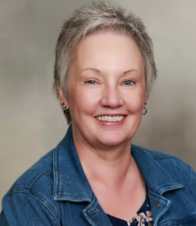
20190902_142216.jpgMeet Roxanne Price.  When she isn’t traveling around the world, spending time with family and friends, reading, or gardening, she works with people teaching them about Self-determination and Self-Directed Supports.  She has always been very passionate about Self-Determination and Self-Direction.  She encourages people to ask questions and be clear about what you want.  We’re so fortunate to have Roxanne as a member of the Network!  

What's your story?  Tell us a little bit about yourself.

Roxanne is very passionate about Self-Determination and promoting Self-Directed Supports! She explains that it has been her primary focus since 1998, when she was hired as the Self-Determination Project Coordinator in La Crosse County back when Family Care was first getting started. La Crosse County was one of the five Family Care pilot counties in Wisconsin.  She participated in many meetings and discussions with self-advocates, their allies and many others to make sure that Managed Care in Wisconsin emphasized personal choice, responsibility and empowerment.  “People didn’t like the idea of being “managed” and we didn’t want the program to become an impersonal, “one size fits all” approach to assessing needs and providing supports for people,” she says. Since her position was funded through a Robert Wood Johnson grant, when the grant ended, she was hired as a Care Manager with the Family Care Program in La Crosse where she continued my involvement in Self-Determination and Self-Direction. In 2008, the La Crosse Program expanded to include seven additional counties and they became known as Western Wisconsin Cares. She says that even though she misses the ongoing connections that she had when she was a Care Manager, she was excited to be hired as the Self-Directed Supports Coordinator for the eight county regions.  So, for the past 11 years, she has been focusing exclusively on Self-Determination and supporting the successful use of Self-Directed Supports. Two years ago, three Family Care Organizations merged into the organization that is now known as Inclusa. “I think we are very fortunate to have a dedicated SD/SDS team that provides education and support throughout our service regions and I love being able to follow my passion with others who feel the same way,” she exclaims! 

How are you involved with self-determination?

Roxanne is currently one of the SD/SDS Managers at Inclusa. Inclusa is one of Wisconsin’s Family Care Organizations and covers much of the state.  She helps members (clients) and their Care Management teams learn about Self-Determination and Self-Directed Supports, and she helps them decide how to set it up so it best fits their individual strengths and needs. Also, when there are problems or concerns, she gets involved to help figure out the best solutions. 

Why did you join the SD Network?

Roxanne says that she is always looking for the latest information about Self Determination and Self-Directed Supports and she knew that the SD Network would be a good resource!  

What tip or resource would you like to share with people who want to be more self-determined?

Roxanne encourages people to be clear about what you want and don’t be afraid to ask questions to be sure you understand things!  She says to try to be respectful even if you disagree with what someone says and ask for support when you need it. “Finally, it’s ok to make a mistake – sometimes it’s the best way we learn! Nobody is perfect,” she says! 

What are some of your hobbies?  

Roxanne loves to read! True stories are especially inspiring to her. She also really enjoys taking pictures of people, places and things.  In the spring, she likes to work in the garden – even pulling weeds!  She explains that her friends and family are very important to me and she spends a lot of time with them. Recently, she has gotten brave enough to travel to other countries and that has really been exciting her!

 ***We love hearing the views and opinions of Network members. We need to mention that the views and opinions expressed on this site are those of the person who is sharing them. They do not necessarily reflect InControl Wisconsin or any of our supporters and funders.


Assistive robots are growing in popularity.  They are being used to assist people with disabilities, the elderly, toddlers, and industrial workers perform physical tasks.  The aim of assistive robotics is to develop robotic aids for supporting people living independently and those who have degenerative limitations, such as elderly and people with disabilities.  The increase in funding worldwide for research on assistive robotics is expected to fuel the growth of the assistive robotics market during the forecast period.

Read more

Posted in: default | 0 comments

ACL has released a new Issue Brief on Assistive Technology. Assistive technology (AT) includes software, devices, equipment and products that improve the functioning of individuals of all ages with disabilities. Assistive technology can affect a person’s well-being by improving their ability to walk, eat, bathe, communicate, see, speak and live independently. Technologies also can help address social isolation and improve quality of life by assisting people with communication, mobility, and other daily activities.

This issue brief discusses:

1) the important role of assistive technology in helping people of all ages with disabilities live full and independent lives in their communities; and

2) certain sources of public funding for the technology, including Medicare, Medicaid, and programs that the Administration for Community Living (ACL) manages.  

View the Assistive Technology Issue Brief

Posted in: default | 0 comments

The Wisconsin Family and Caregiver Support Alliance(WFACSA) is accepting nominations for our first ‘Thank You for Being A Friend’ award, honoring a notable individual, agency, employer who made a significant impact in a family caregiver’s day, week, year, or life!  Family caregivers can nominate a person, agency, employer of their choosing that has had a significant impact on them.  WFACSA will select one winner in each of the three following categories:

  • Supportive Employer
  • Supportive Agency
  • Supportive Individual


As a family caregiver, do you have someone, whether it be a friend, neighbor, family member, doctor, nurse, care worker, or employer that has made a significant impact on your role as a caregiver?  Maybe someone finally asked how you are doing and whether or not you have the supports you need?  Maybe someone offered to care for your loved one so you could get some sleep and it meant the world to you?  The Wisconsin Family and Caregiver Support Alliance wants to recognize and honor those that support you, the family caregiver.  

To submit a nomination, please complete the form below by September 15, 2019. Nominations will be reviewed by the WFACSA Steering Committee based on the impact as identified by the family caregiver/nominator.  (The Conference Planning Committee reserves the right to present none or multiple awards in any of the categories.)

To submit a nomination, you can Click here to complete a Nomination Form online, or Click Here to download a hard copy to complete and email it back to us at wfacsa@gmail.com.


Deadline to submit a nomination is September 15, 2019

Winners will be recognized at the 2019 Self Determination Conference, October 15th at the Kalahari Resort and Conference Center in the Wisconsin Dells.

Posted in: default | 0 comments
   / 253